
O-Chair
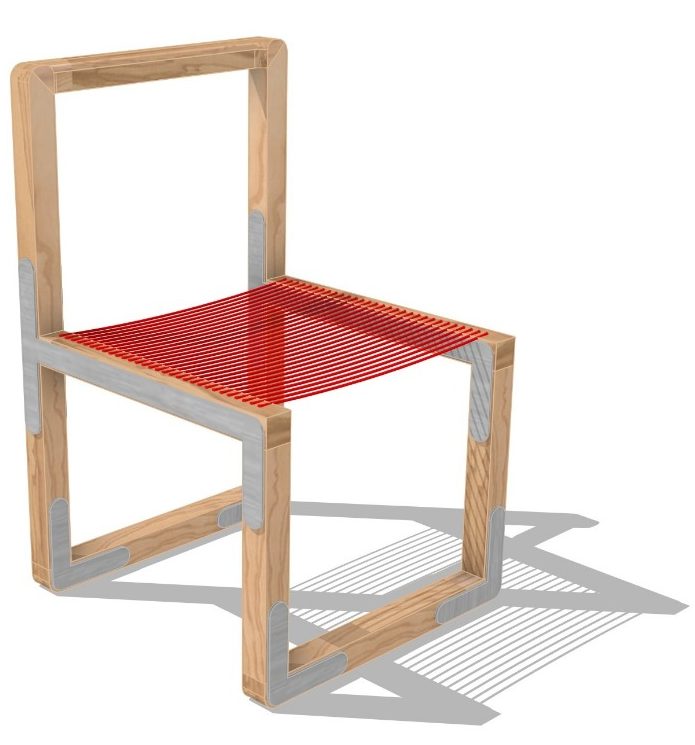
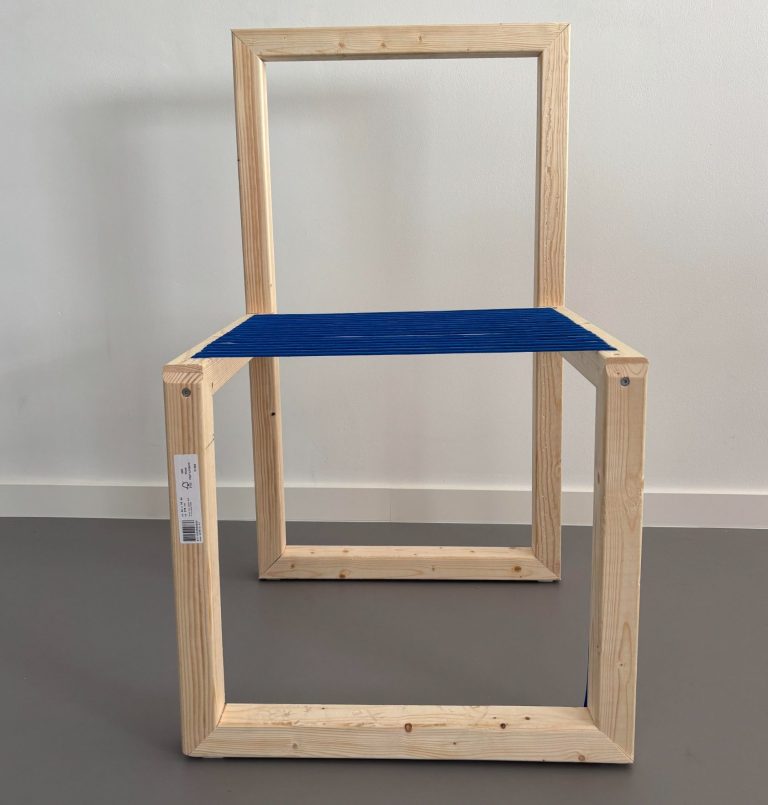
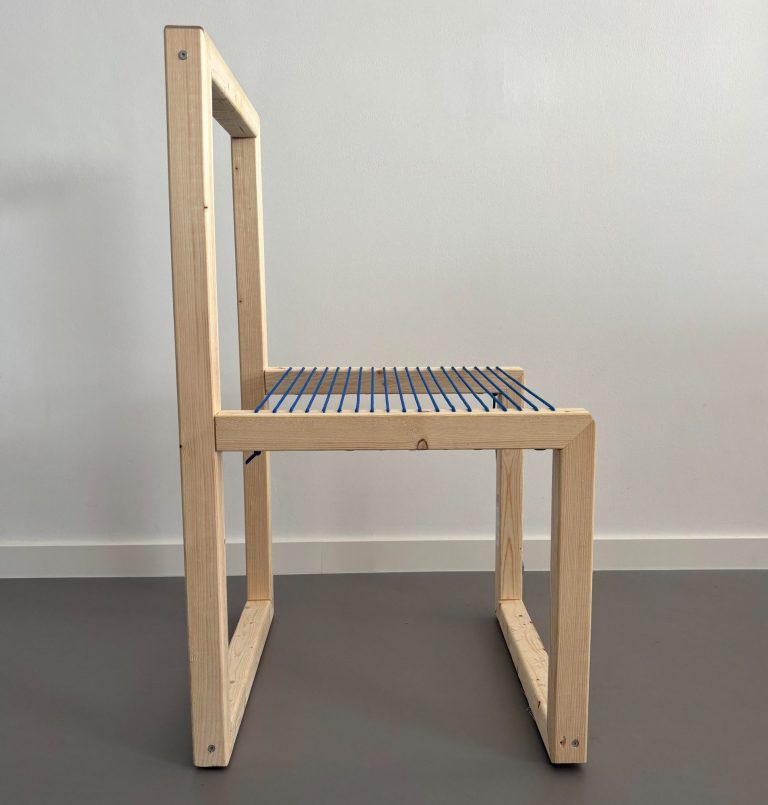
The O-Chair was designed as a contemporary interpretation of structural ornament.
Integrated aluminium plates are used to absorb and redistribute forces that solid wood alone cannot withstand. These plates prevent structural failure at critical stress points, allowing the wooden elements to remain slender while maintaining strength and durability.
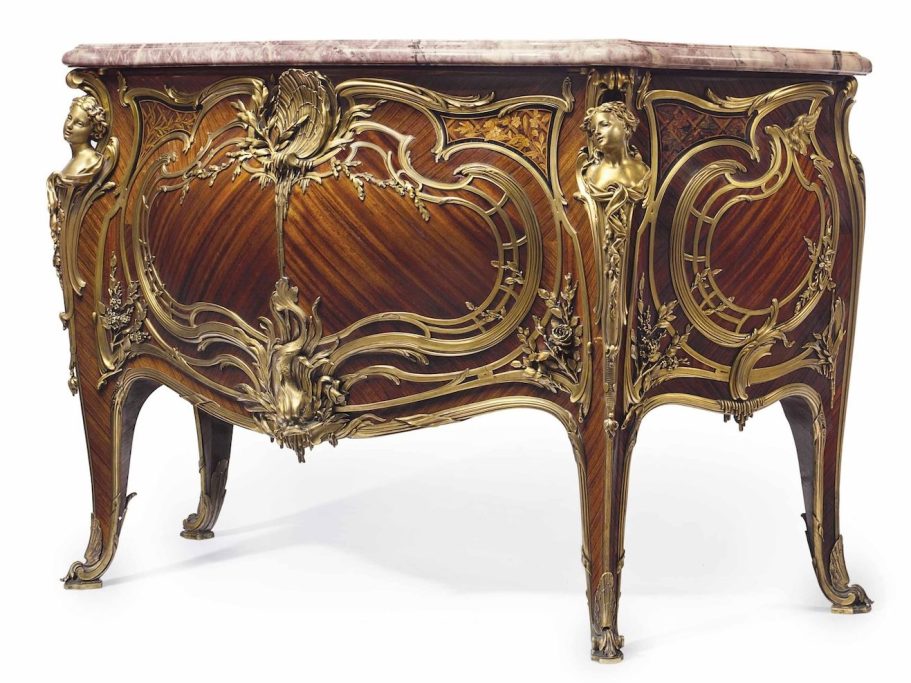
This approach is conceptually inspired by ormolu mounts in late 19th- and early 20th-century French furniture, particularly the work of makers such as François Linke and Léon Messagé. In their furniture, cast bronze mounts were not merely decorative; they reinforced vulnerable edges, joints, and transitions while simultaneously articulating form and luxury.
In the O-Chair, aluminium takes on a similar role. It is not applied as surface decoration, but as an exposed structural element that expresses function, load, and construction. The metal plates make visible where forces are transferred, turning reinforcement into an integral part of the design language.
The O-Chair explores the dialogue between wood and metal, tradition and contemporary engineering, where structural necessity becomes visual identity.
Client
Own Initiative
Type
Furniture
Time span
2025-
Status
Ongoing
heritage references
text text text